

America Needs a Trade Representative Who Will Stand Up to China: The Case for Jamieson Greer

As the Senate prepares to consider Jamieson Greer's nomination for U.S. Trade Representative, Americans should recognize this moment as a critical juncture in our economic relationship with China. President Trump's choice of Greer signals a return to the muscular trade policy that characterized his first term – and it couldn't come at a more crucial time.
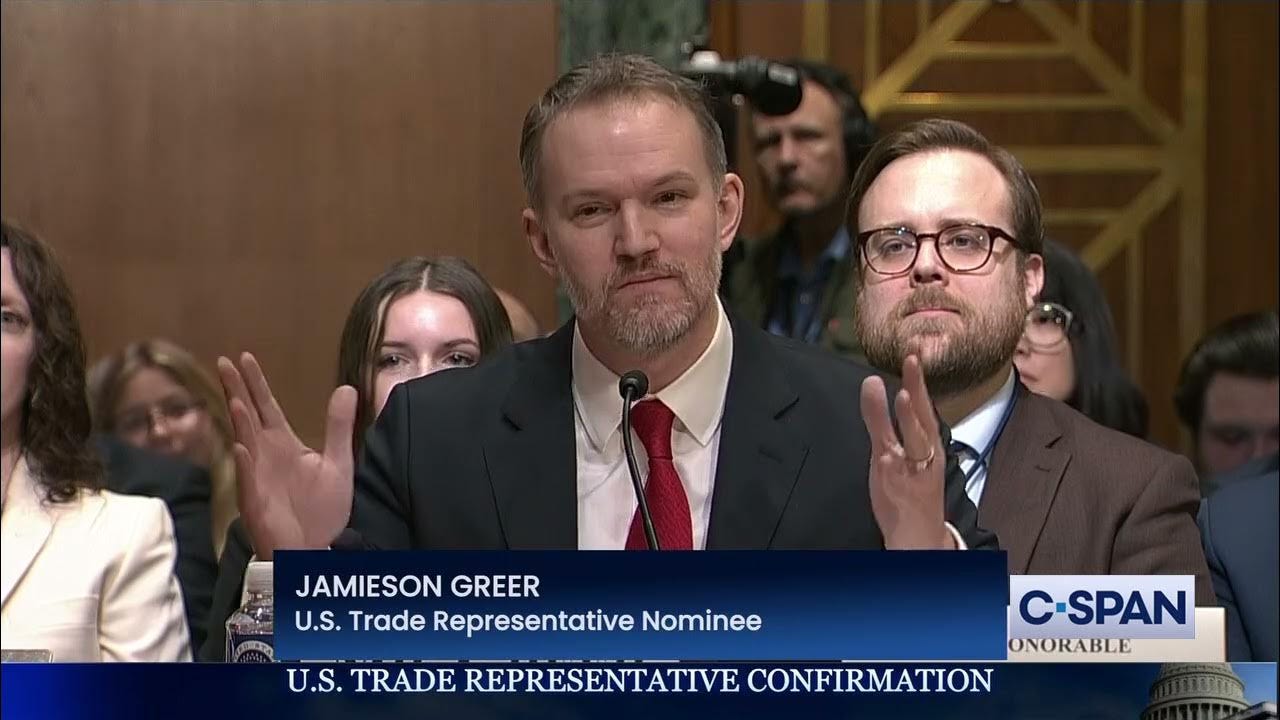
Greer brings a unique combination of military service, legal expertise, and hands-on experience in trade negotiations to the role. As former chief of staff at United States Trade Representative (USTR) during Trump's first term, he managed a 200-person operation and played a pivotal role in negotiating the Phase One Trade Deal with China. His mentor, former USTR Robert Lighthizer, praised his organizational skills and dedication in the recent book "No Trade Is Free," noting Greer's patient but persistent approach to complex trade challenges.
But what makes Greer particularly well-suited for this moment is his clear-eyed view of the China challenge. In his testimony before the U.S.-China Economic and Security Review Commission last May, Greer laid out a comprehensive strategy for leveling the playing field with China – one that goes beyond traditional trade remedies to address the fundamental imbalances in our economic relationship.
At the heart of Greer's approach is a recognition that America's deep economic entanglement with China poses strategic risks that can no longer be ignored. He advocates ending permanent normal trade relations with China, a move that would give the U.S. greater flexibility in applying tariffs. But perhaps more importantly, he understands the sophisticated ways China evades trade restrictions, supporting measures to prevent Chinese goods from being rerouted through countries like Vietnam to circumvent U.S. trade policies.
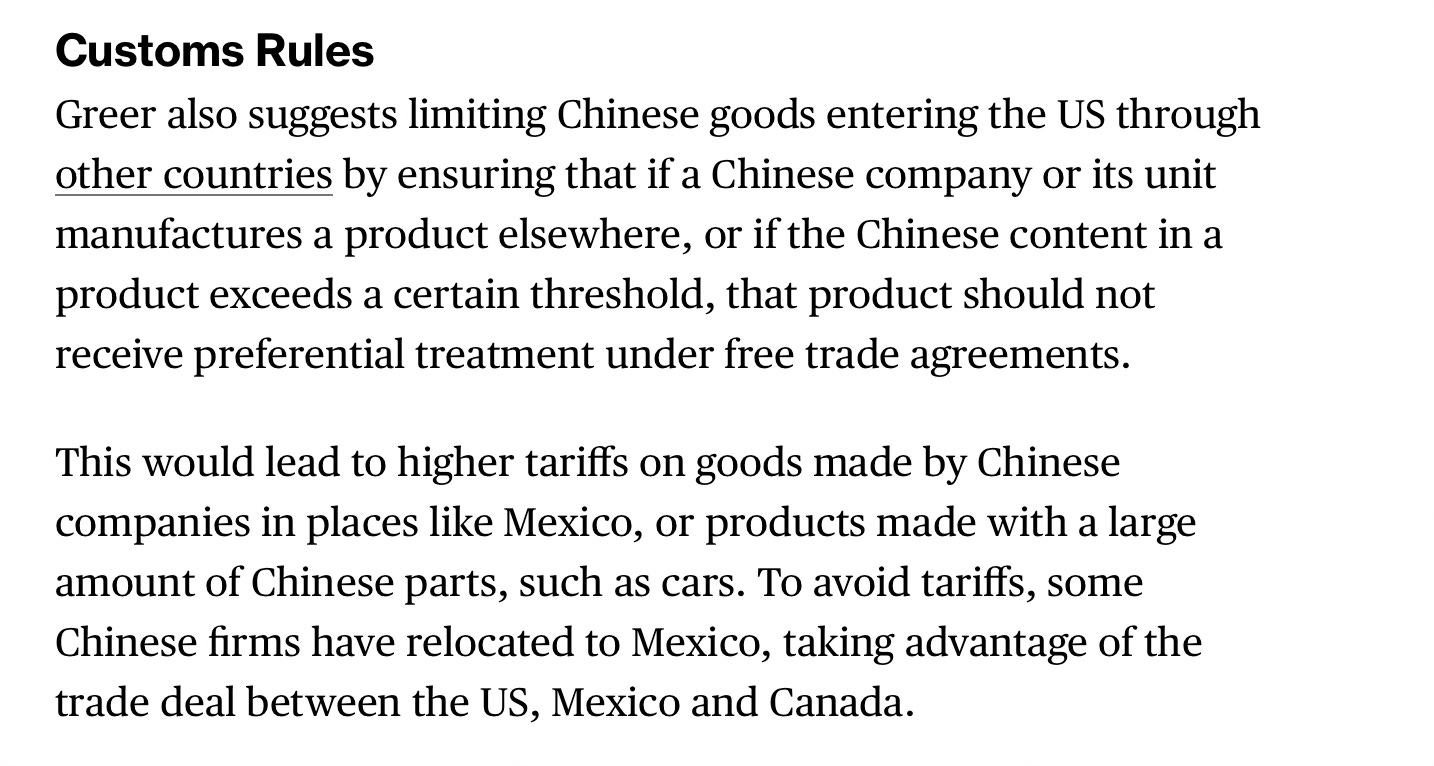
The contrast with the Biden administration's approach couldn't be starker. While Biden officials talked tough on China, they failed to enforce the Phase One Deal or crack down on China's practice of routing steel and aluminum through third countries. This kind of enforcement failure has real consequences for American workers and industries.
Greer's vision extends beyond just getting tough on China. He supports a proactive industrial policy that would strengthen America's competitive position in critical sectors. His backing of initiatives like the CHIPS Act, and his call for similar support in pharmaceuticals, robotics, medical devices, and other strategic industries, shows he understands that trade policy must be part of a broader strategy to rebuild America's industrial base.
Particularly noteworthy is Greer's emphasis on protecting American technology and innovation. His support for stricter export controls and investment screening mechanisms demonstrates an understanding that trade policy in the 21st century must address not just goods and services, but also the protection of intellectual property and critical technologies.
Under the proposed reorganization in Trump's second term, the Department of Commerce would oversee the USTR's office. This structural change, combined with Greer's experience and strategic vision, could create a more coordinated and effective approach to economic competition with China.
As the Senate considers Greer's nomination, they should recognize that America's trade challenges require more than just traditional diplomatic finesse. We need a Trade Representative who understands the complexities of modern economic warfare and isn't afraid to use every tool available to protect American interests. Jamieson Greer's record suggests he's ready for that fight.
The confirmation hearing this Thursday represents more than just a personnel decision – it's a choice about whether America will finally get serious about addressing the fundamental imbalances in our trading relationship with China. Based on his record and vision, Jamieson Greer appears well-prepared to lead that effort.